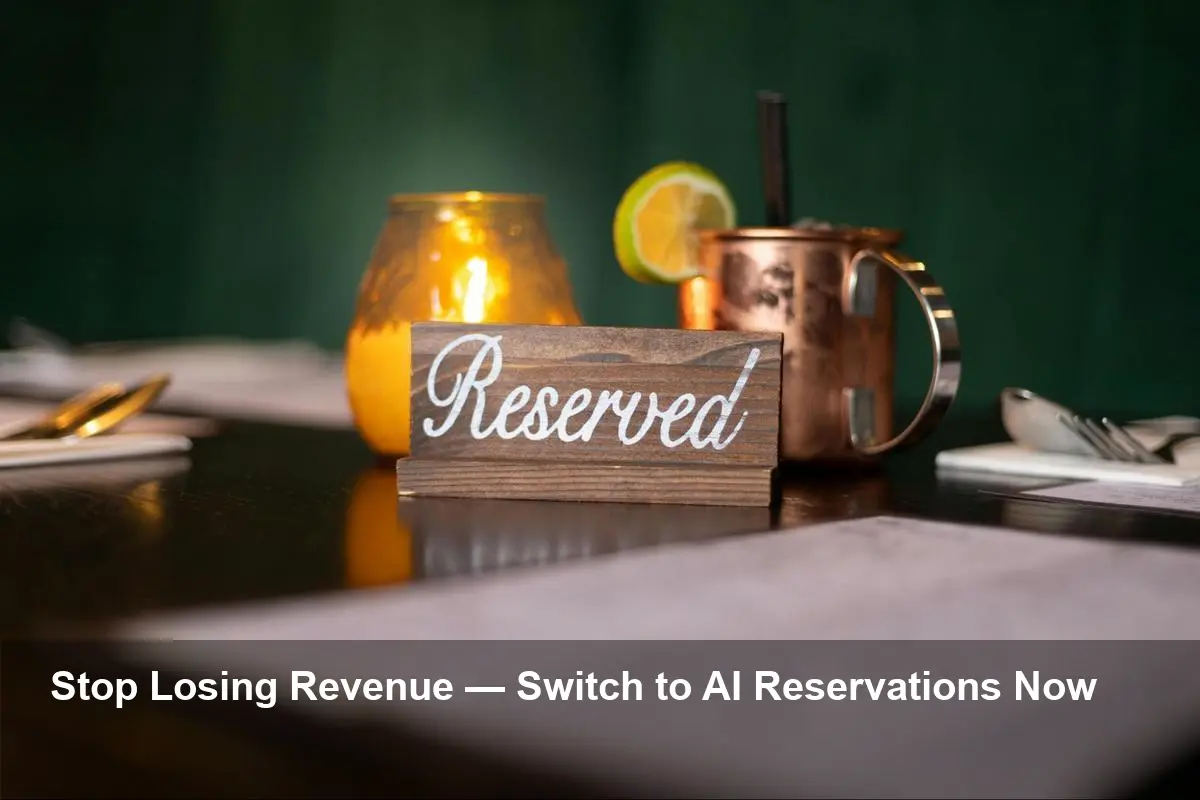
- Restaurants facing deep labor shortages can regain control with AI-driven reservation systems.
- Modern platforms cut no-shows, automate seating and waitlists, and integrate with POS and CRM.
- Operators report fewer seat turns lost to human error and measurable labor savings as teams shrink.
How Modern AI Reservation Tech Helps Restaurants Do More With Leaner Teams
Restaurants today must serve more guests with fewer staff. Modern AI reservation and front-of-house platforms promise to close that gap by automating mundane tasks, improving guest flow, and turning reservation data into predictable revenue. The result: leaner teams can maintain — and even grow — revenue without burning out staff.
Why operators are turning to AI reservations
Two trends are pushing restaurants toward automated reservation tech: persistent labor shortages and heightened guest expectations. Manual tasks — answering calls, juggling waitlists, and estimating table turns — consume disproportionate staff time and introduce human error. AI systems take over many of these duties and add intelligence: predicting no-shows, suggesting optimal table assignments, and sending confirmations to reduce late arrivals.
Core features changing the floor
- Automated waitlists and dynamic seating: Algorithms assign guests to available covers in real time, increasing throughput while avoiding overbooked sections.
- Predictive no-show reduction: Machine learning flags high-risk bookings and prompts prepayment, deposits, or targeted reminders to minimize no-shows.
- Guest profiles and CRM: Reservation platforms build guest histories (preferences, visit frequency), enabling personalized service with fewer staff touchpoints.
- POS and calendar integrations: Seamless data flow helps managers forecast demand, reduce overstaffing, and optimize labor schedules.
- Contactless confirmations and self-seating: SMS, email confirmations and QR check-ins streamline arrival procedures and lower front-desk workload.
Real benefits for lean teams
Adopting AI reservation tools delivers practical returns: faster table turns, fewer empty seats, and reduced time spent on routine communications. That translates to smaller teams handling the same or greater guest volume. Operators also gain clearer demand forecasting, which helps prevent over- or understaffing on busy nights.
Operational wins
- Higher revenue per seat through smarter seating and fewer no-shows.
- Reduced training time since routine tasks are automated.
- Improved guest satisfaction via timely messages, accurate wait estimates, and personalized service.
Implementation tips and caveats
To capture benefits, restaurants should:
- Choose platforms that integrate with existing POS and payroll systems to turn reservation data into staffing decisions.
- Set clear deposit and cancellation policies to protect revenue without alienating guests.
- Train staff on exception handling — AI covers the routine, but human judgment is still needed for complex service moments.
- Watch privacy and data rules: maintain secure guest records and communicate how data will be used.
Bottom line
AI-driven reservation tech isn’t a silver bullet, but it’s a force multiplier for restaurants coping with lean staffing. By automating repetitive tasks, improving prediction and integrating data across systems, modern platforms let small teams operate like larger ones — protecting revenue, reducing stress, and improving guest experiences. For operators wary of falling behind, the message is clear: the competition is already adopting these tools, and delay risks leaving revenue on the table.
Image Referance: https://aijourn.com/how-modern-ai-reservation-tech-helps-restaurants-do-more-with-leaner-teams/