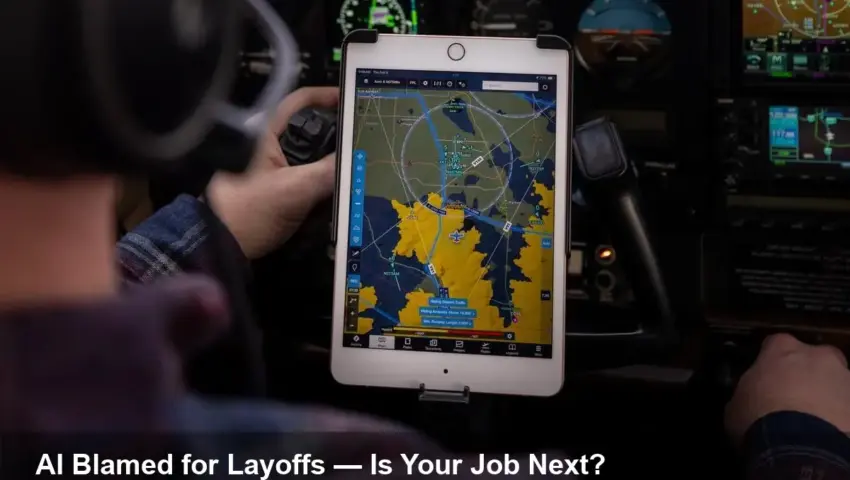
- ForeFlight has completed its first strategic restructuring since spinning off from Boeing.
- The company’s CEO cited automation and artificial intelligence as key reasons for workforce reductions.
- Leadership frames the move as a forward-looking efficiency push; details on job numbers were not released.
ForeFlight CEO Cites Automation and AI to Justify Layoffs
ForeFlight’s leadership has initiated the company’s first strategic restructuring since it was separated from Boeing, and CEO statements point to automation and artificial intelligence (AI) as the primary rationale for the workforce reductions. The company described the restructuring as part of a broader effort to align resources with evolving technology and customer needs.
What management says
According to company statements, the restructuring reflects a shift toward greater automation across product development, data processing and customer-facing tools. ForeFlight’s CEO framed the changes as necessary to keep the product competitive as AI capabilities reshape aviation software and operational workflows.
Why automation and AI are central to the decision
Leaders argue that automation and AI can deliver faster updates, more accurate navigation data and improved analytics — all of which change required staffing profiles. By automating repetitive tasks and embedding AI-driven features, the company expects to reallocate talent into higher-value roles, according to the official rationale.
Impact and unanswered questions
The company has not published the precise headcount affected or a timeline for the changes. Employees and industry observers are watching closely for further details about severance, reassignments and support for affected staff. Pilots, flight departments and customers are likely to monitor product stability and support levels during the transition.
Industry context: a broader trend
The move at ForeFlight mirrors a wider pattern across aviation and tech firms, where AI and automation are regularly cited as drivers of efficiency and cost reduction. For aviation software vendors, balancing innovation with customer trust is critical; service disruptions or perceived reductions in support could have outsized reputational effects.
What stakeholders should watch next
- Official company updates detailing the number of employees affected and timelines.
- Announcements about role transitions, retraining programs or severance packages.
- Customer notices about support changes or feature roadmaps that could affect flight operations.
As the company moves forward with this restructuring, employees and customers alike face uncertainty. ForeFlight’s framing of the changes as an AI- and automation-driven modernization will be tested by how transparently and effectively the company manages the human and operational consequences.
Embedded content
No social media embeds or videos were included in the source material for this report.
Image Referance: https://theaircurrent.com/feed/dispatches/jeppesen-foreflight-layoffs-automation-ai-thoma-bravo-boeing/