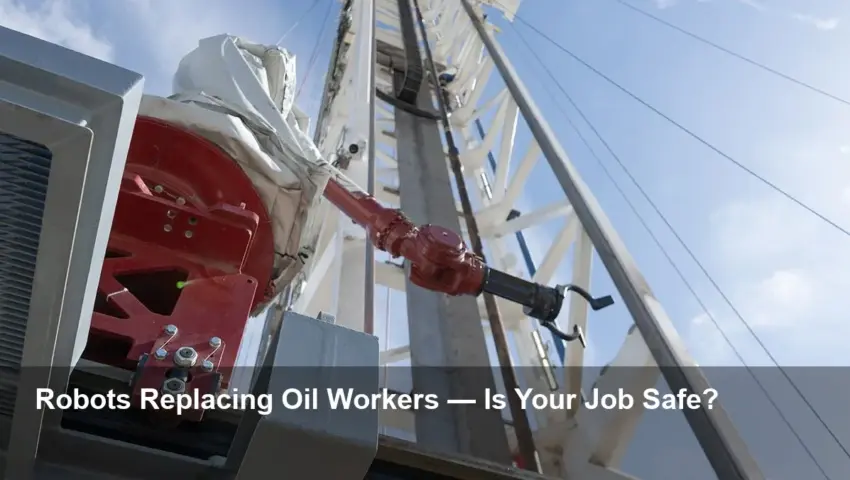
- Robots and AI are already active on Wyoming oilfields, performing inspection, drilling and maintenance tasks.
- Companies say automation improves safety and efficiency; workers and communities fear job losses and rapid change.
- Coal plants could see similar upgrades — described as “robot bubble baths” — to clean equipment and boost yields.
- Policymakers, industry and labor groups face pressure to balance safety, productivity and retraining plans.
AI and Robots on Wyoming’s Oil Patch
Automation has moved from pilot projects to regular operations across parts of Wyoming’s oil patch. Companies deploying drones, remote-controlled rigs and AI-driven monitoring systems say these tools reduce dangerous manual work, speed up maintenance and cut downtime. Operators emphasize measurable safety gains: fewer people required at high-risk sites, faster detection of leaks or equipment faults, and predictive maintenance that keeps rigs working longer.
What “Robot Bubble Baths” Mean for Coal
The phrase “robot bubble baths” has been used to describe new robotic cleaning systems being trialed at some coal-fired plants. These systems automate cleaning of boilers, heat exchangers and other equipment — tasks that traditionally required manual scraping or long, hot shutdowns. By keeping surfaces cleaner and thermal systems more efficient, operators hope to squeeze more output from aging plants.
While the technologies differ, both oilfield robots and coal-plant robotics share a goal: boost uptime and yields while reducing labor-intensive, hazardous tasks. For coal operators, which face long-term market and regulatory pressures, automation can be framed as a way to extend asset life and keep plants competitive in the near term.
Economic and Labor Impacts
Automation’s promise of safety and efficiency comes with clear downsides: potential job losses, changing skill requirements and community disruption in energy-dependent states like Wyoming. Industry spokespeople argue that new roles will emerge — technicians for remote operations, data analysts and robotics maintenance staff — but voices from labor and small towns warn that retraining programs and economic planning have lagged behind the pace of deployment.
Regulatory and Community Response
State regulators and local leaders are watching closely. Questions include how automation will be taxed, whether operators will be required to report workforce changes, and how to fund retraining or diversification in communities heavily reliant on fossil-fuel jobs. Public safety advocates also press for standards to ensure remote operations do not reduce oversight or delay emergency responses.
What Comes Next
As operators across energy sectors adopt more robotics and AI, Wyoming faces a familiar trade-off: improved safety and efficiency versus social and economic disruption. The next steps will likely include expanded pilot projects, targeted workforce training, and new policy debates at the state and local level. For workers and communities, the message is clear: prepare now, because automation is already here.
Image Referance: https://cowboystatedaily.com/2026/01/17/robots-are-already-working-wyomings-oil-patch-and-coal-mines-could-be-next/