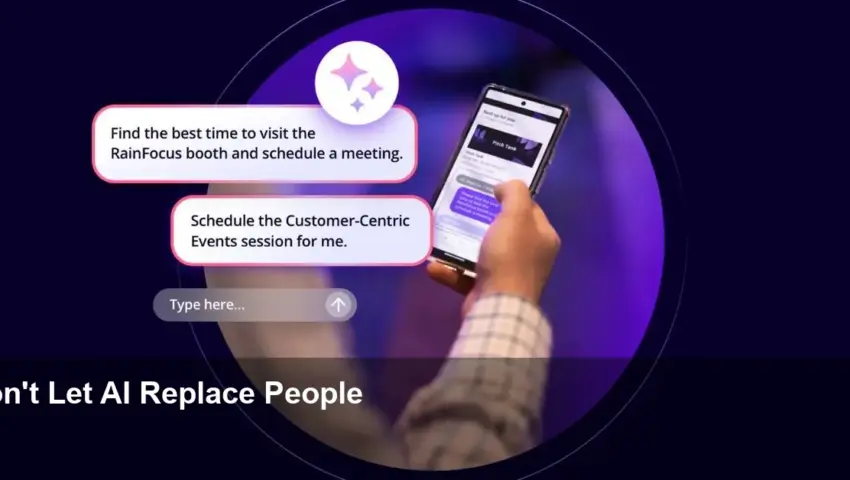
- AI reaches a turning point in B2B event buying in 2026: algorithms will guide more decisions, but people remain central.
- AI will speed automation and personalization across events, from matchmaking to content and logistics.
- Over-reliance risks loss of trust and attendee engagement; organizers must prioritize transparency and human-led design.
- The winners will be teams that combine smart automation with clear strategy, privacy safeguards and upgraded skills.
The turning point: AI meets human-first events
In 2026 the role of AI in B2B buying and events moves from supporting actor to a defining force. That doesn’t mean people disappear — far from it. Buyers still want human judgment, trust and relationships. What changes is how organizers use algorithms to scale personalization, reduce friction and surface higher‑quality interactions.
Where AI helps event organizers
Automation that saves time
AI can automate routine tasks — registration, scheduling, lead routing and session logistics — freeing staff to focus on strategy and attendee experience.
Smarter personalization
Algorithms can recommend sessions, exhibitors and contacts based on behavior and preferences, increasing relevance without manual effort.
Better measurement and strategy
AI-driven analytics can surface signals that matter for B2B buying: which sessions generated meaningful conversations, which demos led to follow‑ups, and where pipeline influence actually happened.
Improved networking
Matchmaking tools can suggest which attendees should meet, but they work best when paired with human facilitation — a reminder that AI ought to enable, not replace, connection.
Risks organizers must address
- Preserve the human touch: Don’t let automation become an excuse to remove human hosts, moderators or facilitators who keep conversations real.
- Data transparency and privacy: Be explicit about what attendee data you collect, how you use models, and allow simple consent controls.
- Avoid over‑optimization: Over‑personalizing content can create filter bubbles and stifle serendipity — leave room for discovery.
- Invest in skills: Event teams need training in data literacy, AI tooling and change management to apply automation strategically.
Practical steps to get ready
- Run small pilots that pair AI recommendations with human review before scaling.
- Create clear data and AI policies that are easy for attendees to understand.
- Prioritize experiences where humans add unique value — live Q&A, curated introductions, and facilitated roundtables.
- Measure outcomes beyond clicks: track meetings, demos, and follow‑up conversations to see real B2B impact.
Why this matters for B2B buyers and vendors
For buyers, better AI should mean more relevant events and faster discovery. For vendors and organizers, AI offers efficiency and insight — but only if deployed with strategy and respect for trust. The next phase of AI in events will reward teams that treat algorithms as partners that enhance human connection, not replace it. The choice now is strategic: use AI to deepen relationships, or risk hollow automation that drives short‑term metrics but erodes long‑term value.
Image Referance: https://aijourn.com/the-next-phase-of-ai-in-events-human-connection-automation-and-strategy/