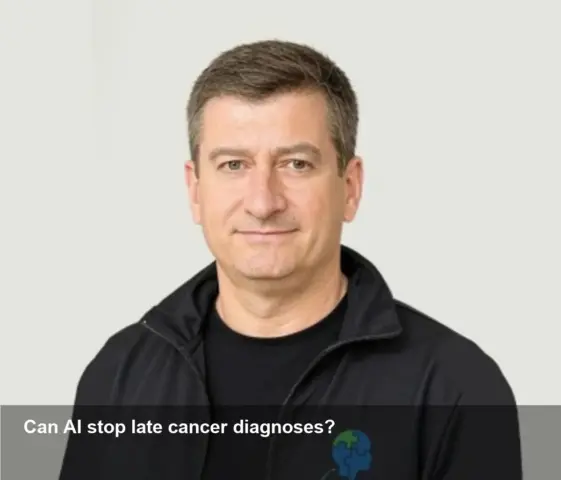
• beHuman closed a $4 million seed round to expand AI-driven early cancer detection.
• The startup says it combines AI, automation and a care model built around “real patients, not perfect systems.”
• The funding will be used to scale detection tools and make screening more accessible.
• The move highlights growing investor interest in AI tools that target late diagnoses and gaps in care.
What happened
beHuman has announced a $4 million seed funding round to accelerate development and deployment of its AI-driven early cancer detection tools. The company says it pairs machine learning and automation with a care delivery model designed around real patients rather than idealized workflows. The new capital will be used to scale the technology and increase access to earlier screening.
Why it matters
Late diagnosis is one of the biggest drivers of poor cancer outcomes. Tools that detect tumors earlier can dramatically change treatment options and survival rates, but current screening programs often miss people because of access, complexity, cost or fragmented care. beHuman’s approach — combining AI to flag risk, automation to streamline processes, and a patient-centered care model — aims to lower those barriers and catch cancers sooner.
How beHuman’s approach differs
beHuman emphasizes three linked elements:
AI-driven detection
The company uses machine learning models to identify signals that may indicate early-stage cancer. While specific algorithms and performance metrics were not disclosed, the general goal is to find patterns clinicians might miss in routine data.
Automation to scale
Automation is intended to reduce manual steps in screening and follow-up, making programs cheaper and easier to run at scale. That can shorten the time from a flagged risk to diagnostic confirmation, a critical window for early intervention.
Patient-first care model
Unlike systems designed for ideal clinical pathways, beHuman says its care model is built around how real patients interact with health systems — accounting for missed appointments, incomplete records and other common breakdowns that stop early detection from reaching those who need it.
Challenges and next steps
AI-driven diagnostics face familiar hurdles: clinical validation, regulatory approval, and proving real-world effectiveness across diverse populations. beHuman will need to demonstrate that its tools reduce late-stage diagnoses without increasing false positives or creating new access disparities.
Investors backing the seed round signal confidence that this blend of AI, automation and patient-centered design could address persistent gaps in cancer screening. If successful, the company’s tools could be adopted by health systems, payers and clinics looking to improve outcomes and reduce costly late-stage care.
What to watch
Watch for announcements about clinical trials, pilot programs with health systems, regulatory milestones and published performance data. Those will determine whether beHuman’s promise translates into measurable improvements in early cancer detection and patient outcomes.
Image Referance: https://refreshmiami.com/news/behuman-raises-4m-seed-round-to-expand-ai-driven-early-cancer-detection/