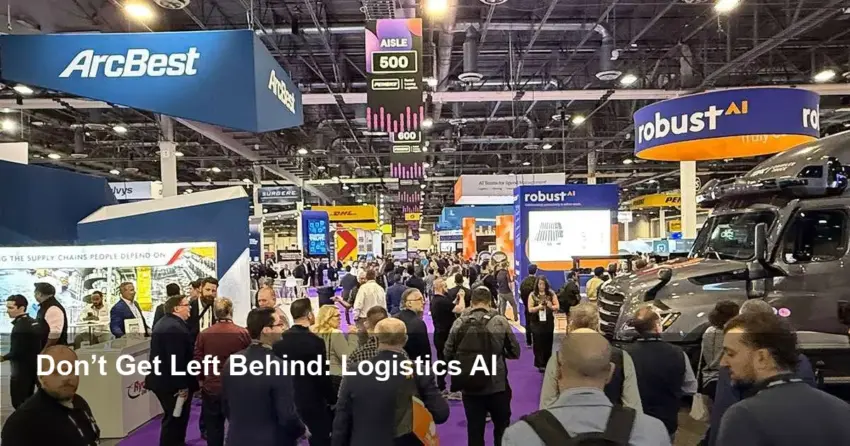
- Speakers and exhibitors at Manifest 2026 argued AI and robotics can make transportation faster and smarter.
- Demonstrations emphasized automation across warehousing, routing and predictive planning, highlighting clear business benefits.
- Industry leaders warned of operational risks — from skills gaps to security — if companies delay adoption.
What happened at Manifest 2026
Manifest 2026 put artificial intelligence and robotics at the center of conversations about the future of transportation. Across keynotes and exhibit halls, vendors and presenters focused on tools that promise to speed up freight movement, reduce manual labor and improve forecasting. Rather than abstract forecasts, the tone of the event was practical: how to deploy AI and robotics to solve current pain points in logistics.
Why it matters
Attendees left with a clear message: AI is no longer experimental. Demonstrations showed real automation working across the supply chain — from warehouse picking to route optimization — which means companies that move slowly risk losing efficiency and competitive advantage. Executives at the event framed AI not just as a cost saver but as a capacity and resilience builder when used alongside robotics and better data.
Common themes and demonstrations
Speakers and exhibitors emphasized several recurring themes:
Automation for speed and accuracy
Most demos focused on reducing human repetition and error. Robotics in warehousing and AI-driven picking systems were shown as ways to increase throughput while lowering mistakes.
Smarter routing and predictive planning
AI models that analyze shipment data, traffic patterns and weather were highlighted as tools to improve on-time performance and reduce empty miles.
Data as the backbone
Presenters agreed that AI’s benefits depend on access to clean, connected data. Integrations between transportation management systems, telematics and warehouse systems were a frequent topic.
Reactions and risks
While excitement was high, speakers also acknowledged real risks. Rapid deployment can expose companies to cybersecurity vulnerabilities, integration headaches and workforce disruption. Several panels stressed the importance of upskilling employees and creating phased pilots rather than broad, untested rollouts. The message was clear: the technology can deliver big gains, but mistakes during adoption can be costly.
Next steps for logistics leaders
For companies watching from the sidelines, the takeaway from Manifest 2026 is actionable: start small, prioritize high-impact pilots, and invest in data hygiene and training. Evaluating partnerships with experienced integrators and piloting AI in a single route or warehouse can surface benefits and problems quickly, reducing overall risk.
Manifest 2026 made one thing plain — AI and robotics are moving from promise to practice in transportation. The choice for logistics leaders is no longer whether to explore these tools, but how quickly and carefully to adopt them to avoid being left behind.
Image Referance: https://www.ttnews.com/articles/supply-chain-ai-manifest-2026