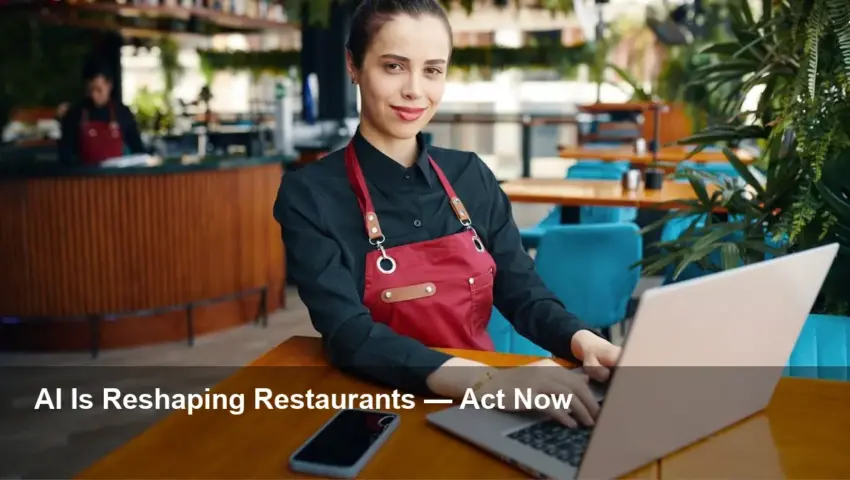
- AI is moving from pilot projects to full-scale deployment across restaurants in 2026.
- Expect changes to kitchen workflows, dynamic pricing, inventory and fraud prevention.
- Operators face both upside (efficiency, personalization) and risks (errors, job shifts, security gaps).
- Restaurants that adopt thoughtfully will capture revenue and cut waste; laggards risk losing customers.
What will change: 6 ways AI will impact restaurants in 2026
1. Kitchen workflows become orchestrated and faster
AI-driven order routing and real-time monitoring will reduce preparation bottlenecks. Systems that read order volume and ingredient availability will prioritize tasks, adjust recipes on the fly, and push instructions to cooks and robots. The result: shorter ticket times and more consistent plates — but only if operators verify automated changes to recipes and quality checks.
2. Dynamic pricing and smarter menus
Restaurants will increasingly use AI to change menu prices by time, demand, and inventory levels. Dynamic pricing can boost margin on high-demand items and clear surplus inventory, but it also creates customer transparency risks if changes happen too quickly or appear unfair.
3. Tighter inventory and waste control
Predictive ordering and computer-vision stock checks will reduce spoilage and overbuying. By forecasting demand at menu-item level, AI can cut food cost and shrink waste — yet mistakes in input data or model drift could leave kitchens short during peak shifts.
4. Personalized offers and loyalty activation
AI will power hyper-personalized offers based on past orders, local events, and even weather. This social-proof style targeting increases repeat visits and basket size, but restaurants must balance relevance with privacy and consent concerns.
5. Fraud prevention and payment security
Machine learning models will spot suspicious payment patterns, chargeback risks, and account takeover attempts faster than manual review. Stronger fraud detection reduces costs, but it requires careful tuning to avoid false positives that frustrate legitimate guests.
6. Labor scheduling and task automation
AI will make schedules more efficient by forecasting coverage needs by shift and channel (dine-in vs. delivery). Routine tasks — from order taking to basic food assembly — will be automated, shifting staff roles toward hospitality and oversight. This creates workforce transition challenges that managers must address.
Why this matters
The shift from pilots to full-scale AI deployments means these changes won’t be isolated experiments. Restaurants that move early can lower costs, respond faster to demand, and deliver more personalized guest experiences. Those that wait risk falling behind competitors who use AI to run leaner operations and smarter marketing.
Practical steps for operators
Start with small, measurable pilots tied to clear KPIs (speed, waste, revenue). Invest in data hygiene and staff training so models have accurate inputs and human oversight. Prioritize customer transparency for pricing and personalization, and put robust security measures around payment and customer data.
In short: 2026 looks like the year AI stops being a novelty and becomes a core operating tool for restaurants — with big gains for those who implement it carefully and real risks for those who ignore it.
Image Referance: https://foodinstitute.com/focus/6-ways-ai-will-impact-restaurants-in-2026/