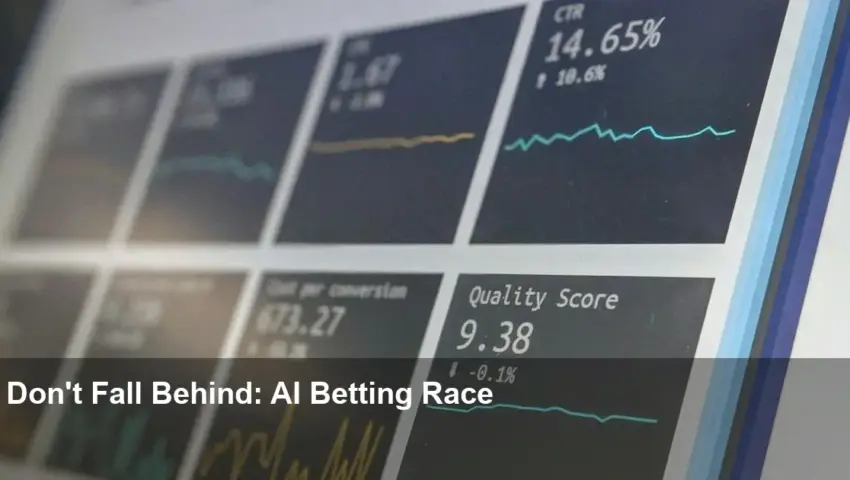
- US gambling investment is shifting from physical marketing to software: AI models and automation now drive competitive advantage.
- Odds and prices are set in milliseconds using machine learning, while product teams release mobile updates on tight game-day cycles.
- Mobile-first product development and automated pricing create speed and personalization — but raise regulatory and operational risks.
- Operators that adopt these systems gain an edge; those that lag risk losing customers and market share.
What’s changing in US gambling tech
The newest arms race in US gambling is being fought in software, not signage. Where casinos and sportsbooks once competed on billboards and in-venue presence, much of the capital now goes into backend systems, machine learning models and mobile product teams. The focus has shifted to speed: models that price bets in milliseconds and deployment processes that let teams ship app updates between games.
How AI and automation are being used
Operators are applying AI to real-time pricing, fraud detection, personalization and customer retention. Machine-learning models analyze live data feeds — player behavior, game states, injuries, market action — to update odds and promotional offers almost instantly. Automation handles the heavy lifting: scaling price updates across markets, triggering in-app offers, and routing suspicious activity to review queues.
This speed creates advantages: more accurate odds, dynamic promotions tailored to individual users, and the ability to react to unusual betting patterns faster than manual systems. It also allows product teams to experiment rapidly, running small changes and feature flags that can be pushed to users between sporting events.
Why mobile matters
Mobile is the battleground where these technologies meet customers. With most wagering now occurring in apps, product teams prioritize testing, stability and new features that increase engagement and lifetime value. Shipping updates quickly — sometimes multiple times in a single day — means operators can respond to user feedback and market movement in near real time.
Risks and trade-offs
The shift brings clear benefits but also risks. Rapid, automated pricing can amplify mistakes: a model error or a bad data feed can create large financial exposure before humans intervene. Regulatory scrutiny is likely to focus on fairness, transparency and responsible gaming when decisions are made algorithmically.
Operationally, the pace demands different talent and governance: data engineering, MLOps and product teams must work closely with legal and compliance to avoid costly errors. Firms that don’t invest in safeguards and monitoring could face reputational damage or regulatory penalties.
What this means for the market
Investment is following where wins are found: software that increases speed, personalization and scale. For operators, the choice is clear — adopt AI, automation and mobile-first product practices or risk falling behind competitors that can adjust odds and experiences in milliseconds.
Expect continued consolidation of technology vendors that provide turnkey pricing engines and mobile platforms, alongside increased hiring for data science, product and compliance roles. As the industry evolves, the tension will be between rapid innovation and the need for robust oversight.
Image Referance: https://www.themesatribune.com/news/ai-automation-and-mobile-where-us-gambling-tech-investment-is-going/article_cc6ac4aa-3bb7-4fea-836c-82ed74a5bc0f.html