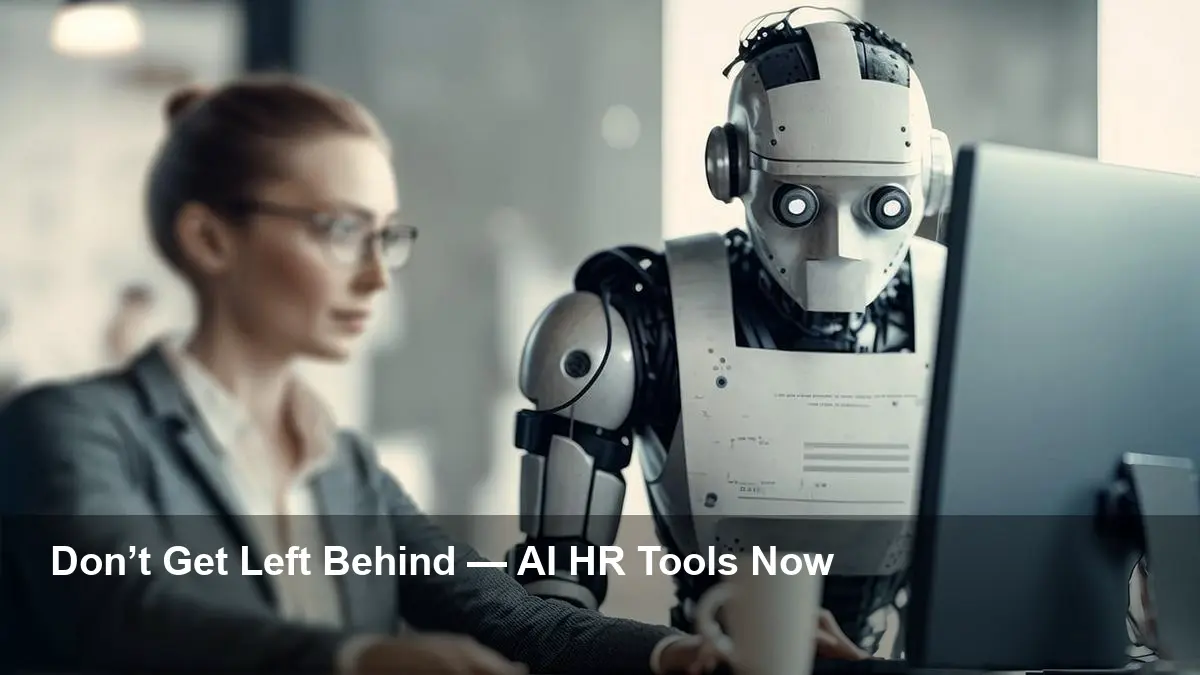
- Enterprises are accelerating adoption of AI-ready HR automation to manage global, complex workforces and cut time-consuming manual processes.
- Key platform categories include AI-driven ATS, HRIS, onboarding, payroll, benefits administration and workforce analytics.
- Security, explainability and integration with existing systems are now non-negotiable for enterprise deployments.
- Early adopters report clearer talent pipelines and faster onboarding—don’t risk falling behind competitors.
Overview: Why AI-Ready HR Automation Matters in 2026
As workforces grow across geographies, enterprise HR teams increasingly depend on advanced HR automation platforms that incorporate AI to scale operations, enforce compliance and improve employee experience. In 2026, the emphasis is not simply automation for efficiency — it’s intelligent automation that augments decision-making while reducing bias and manual errors.
What Modern HR Platforms Offer
AI-ready HR systems now bundle several core capabilities:
- AI-driven recruiting and applicant tracking (automated resume screening, prioritized shortlists, predictive candidate fit)
- Automated onboarding and case management (document verification, task orchestration, chatbot guidance)
- HRIS and payroll automation (rules-driven pay runs, global compliance workflows)
- Benefits administration and self-service portals
- Performance management enhanced by continuous feedback, AI coaching and sentiment analysis
- Workforce planning and analytics with scenario modeling
Enterprise Requirements: Integration, Security and Explainability
For large organizations, vendor evaluation now revolves around three pillars: seamless integration with existing ERP and identity systems, enterprise-grade security and privacy controls, and explainable AI features that allow HR and legal teams to audit decisions. Without these, automation projects risk regulatory exposure and employee pushback.
Deployment Strategy and Change Management
Successful rollouts pair technical work with people change: pilot use-cases (recruiting or onboarding), cross-functional governance, training for HR teams, and phased migration. Prioritizing high-volume processes yields quick wins and builds momentum for broader automation.
Choosing Vendors: What to Look For
Enterprises should favor vendors offering modular platforms with open APIs, strong data residency controls, third-party audit reports, and built-in bias mitigation tools. Look for customer references from comparable enterprises and proof-of-value pilots before long-term commitments.
Outlook: Why Acting Now Matters
Adopting AI-capable HR automation in 2026 is increasingly a competitive necessity. Organizations that delay risk slower hiring, higher operational costs, and poorer employee experiences. Conversely, early adopters gain efficiency, better talent outcomes and stronger analytics-driven workforce decisions.
For HR leaders, the immediate takeaway is clear: evaluate AI-readiness, prioritize security and integration, run targeted pilots, and scale what demonstrably improves outcomes. The cost of inaction is growing—don’t be left behind.
Image Referance: https://azbigmedia.com/business/hr-automation-tools-for-enterprise-2026-ai-ready-overview/