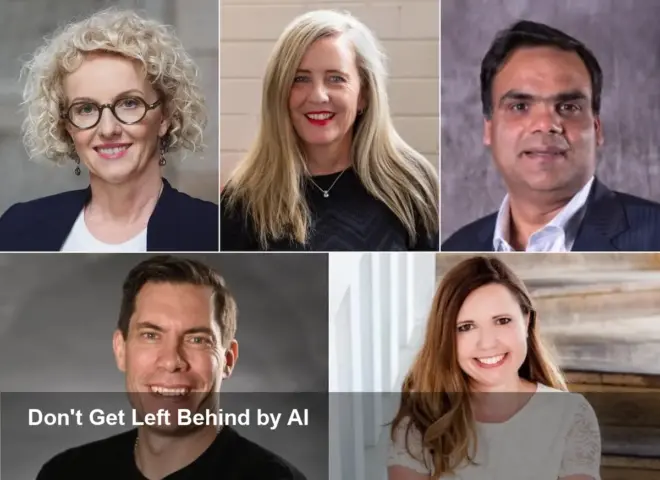
- AI and automation are changing marketing roles; routine tasks are most at risk.
- Skills that matter now: strategic thinking, creativity, data literacy and cross‑disciplinary collaboration.
- Practical steps — from small automation pilots to continuous upskilling — can protect careers and boost value.
Why AI is changing marketing careers
Marketing professionals are navigating one of the biggest industry shifts in decades. AI, automation and structural economic changes are already altering which tasks deliver the most value. Where repetitive production and templated campaigns once defined the job, demand is moving toward people who can interpret data, design strategy and lead human‑centered work that machines can’t replicate.
Skills that keep marketers relevant
The core of staying relevant is less about learning a single tool and more about developing complementary skill sets:
- Strategic judgment: Translating insights into business decisions and measuring long‑term impact.
- Creativity and storytelling: Crafting narratives and brand experiences that cut through automated content.
- Data literacy: Understanding analytics and experiment design so you can question model outputs and test hypotheses.
- Ethics and governance: Applying responsible AI practices to avoid bias, reputational risk and compliance problems.
- Collaboration and leadership: Managing hybrid teams of humans and AI tools and communicating value to stakeholders.
Practical steps for marketers
Being proactive reduces the risk of obsolescence. Consider these immediate actions:
- Run small automation pilots to learn limits and opportunities of AI tools instead of waiting for large rollouts.
- Build a T‑shaped skill profile: deep expertise in one area plus broad skills across data, creative and strategy.
- Document outcomes and ROI from human‑led initiatives to show where human judgment drives value above automation.
- Invest in ongoing learning — short courses, peer groups and on‑the‑job experimentation beat one‑time training.
Why this matters to employers and teams
Organizations that pair AI tools with human strengths gain a competitive edge. Teams that embrace hybrid workflows — where machines handle scale and people handle nuance — are more likely to deliver creative, measurable programs. For individual marketers, the upside is clear: those who adapt will shape strategy and command higher impact roles; those who rely only on execution risk being sidelined.
Final takeaway
The transition isn’t a single event but a new operating environment. Marketers who focus on judgment, creativity, measurable outcomes and continuous learning will not only remain relevant — they’ll lead. The real risk is complacency: failing to act now makes it harder to catch up later.
Image Referance: https://campaignbrief.com/how-marketers-stay-relevant-in-the-age-of-ai-marketing-professionals-weigh-in/