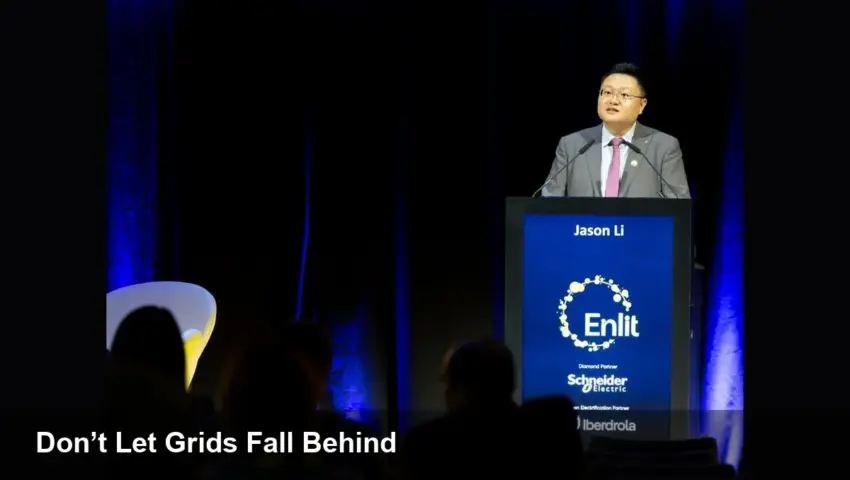
- Huawei highlights automation, digitalization and AI as central to modernizing power grids.
- The company frames these technologies as key to reliability, renewable integration and operational efficiency.
- Experts and utilities face challenges: cybersecurity, skills gaps and legacy infrastructure.
- Delaying upgrades risks higher costs, outages and missed decarbonization goals.
Huawei spotlights automation, digitalization and AI for power grids
Huawei is calling attention to three technologies—automation, digitalization and artificial intelligence—as essential building blocks for modern power grids. While the company’s specific programs and products were not detailed here, the emphasis reflects a wider industry push to use software, sensors and machine learning to make electricity networks more efficient, resilient and able to handle more renewable energy.
Why these technologies matter
Automation reduces manual processes and can speed response to faults and changing demand. Digitalization—turning analog grid data into usable digital information—creates the visibility operators need to coordinate distributed resources such as rooftop solar and battery storage. AI can analyse patterns in large datasets to predict equipment failures, optimise load balancing and improve demand forecasting.
Together, these capabilities address several persistent challenges for utilities:
- Improving reliability: faster detection and isolation of faults can reduce outage durations.
- Integrating renewables: smarter controls help balance intermittent generation from wind and solar.
- Operational efficiency: predictive maintenance and automated operations can lower costs.
- Decarbonization: better grid management supports the shift to cleaner energy.
Risks and obstacles utilities must confront
Adopting automation, digitalization and AI is not a plug‑and‑play task. Utilities still face significant hurdles:
- Legacy systems: many grids run on aging hardware and bespoke software, complicating upgrades.
- Cybersecurity: increasing connectivity expands the attack surface, requiring stronger defenses.
- Skills gap: staff need training in data analytics, AI and new operational practices.
- Regulatory and investment barriers: funding and policy frameworks often lag technical capability.
Ignoring these issues, Huawei and others warn, risks not just inefficiency but greater vulnerability to outages and higher long‑term costs.
What utilities and decision‑makers should consider
For grid operators weighing modernization, several practical steps help reduce risk and accelerate benefits:
- Start with pilot projects that target high‑value use cases like predictive maintenance or fault isolation.
- Build cybersecurity and data governance into projects from day one.
- Partner with technology providers for training and knowledge transfer rather than buying point solutions alone.
- Align investments with regulatory goals and grid‑planning timelines to ensure interoperability.
Outlook
Huawei’s focus on automation, digitalization and AI mirrors broader momentum across the power sector. As utilities confront the twin pressures of rising renewable penetration and customer expectations for reliability, the technologies Huawei highlights are likely to remain central to modernization plans. How quickly and securely utilities adopt them will shape grid performance and energy transition progress in the coming years.
Image Referance: https://www.entrepreneur.com/en-au/news-and-trends/huawei-highlights-automation-digitalization-and-ai-in/502037