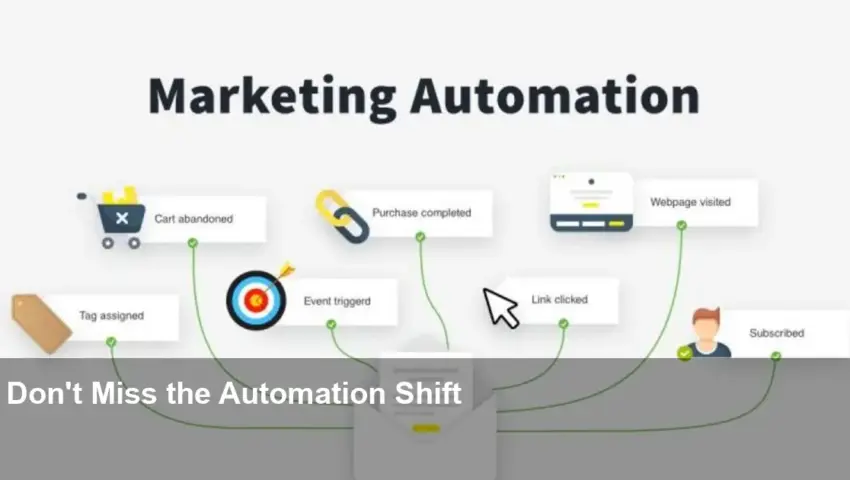
- New report released by DataM Intelligence 4market Research LLP, published on openPR.com, examines marketing automation through 2026.
- Focus areas: emerging technologies, strategic responses, and the changing competitive landscape.
- The report signals risks for organizations that delay updating tech or strategy — and opportunities for early adopters.
- Practical takeaway: audit your stack, pilot new automation capabilities, and watch vendor consolidation.
Overview: what the report covers
The press release from DataM Intelligence 4market Research LLP, published on openPR.com, presents a market report on marketing automation through 2026. According to the announcement, the study centers on three linked themes: emerging technologies, evolving strategies, and the competitive landscape that will shape vendor and buyer decisions over the next few years.
The release does not publish full data in the announcement, but frames the study as a guide for marketing leaders, technology vendors and investors who need a clearer picture of where the market is headed and which capabilities will matter most.
Why this matters to marketers and vendors
Marketing automation now sits at the intersection of data, content and customer experience. As the report highlights in its premise, changes in technology and strategy can quickly reorder who wins and who falls behind.
- For marketing teams: outdated automation stacks risk wasted spend and missed engagement. Early pilots of new capabilities can reveal quick wins and help preserve competitive position.
- For vendors: differentiation will increasingly depend on integrations, measurable ROI, and how well platforms handle privacy and data governance.
- For investors and partners: the report’s focus on competitive dynamics is a prompt to re-evaluate positioning and consolidation risks within the sector.
What to watch next (practical signals)
While the press release stops short of detailed forecasts, it points readers to several practical areas to monitor. Examples of emerging themes likely explored in the full report include AI and machine learning applied to personalization, deeper omnichannel orchestration, tighter integrations with CRM and analytics, and growing emphasis on privacy and compliance.
Plaintive signs that a team or vendor is falling behind include slow integration roadmaps, weak measurement of campaign ROI, and inability to deliver consistent cross-channel experiences. Conversely, early adopters that focus on measurable pilots and customer-centric orchestration tend to capture outsized gains.
Reactions and recommended next steps
The announcement functions as a market warning and a roadmap: firms that ignore the shift risk being outpaced, while those that act now can exploit new capabilities. Recommended steps for readers:
- Audit your current automation stack and identify gaps in integration and measurement.
- Run small, time‑boxed pilots of promising features (for example, advanced personalization or cross‑channel journeys).
- Reassess vendor contracts and partnerships in light of potential consolidation or strategic shifts.
For readers who want the complete findings and data, the press release is available via openPR.com and links to the full DataM Intelligence publication. This market snapshot is a useful reminder: marketing automation is changing fast, and strategy matters as much as technology.
Image Referance: https://www.openpr.com/news/4352704/marketing-automation-market-report-2026-emerging