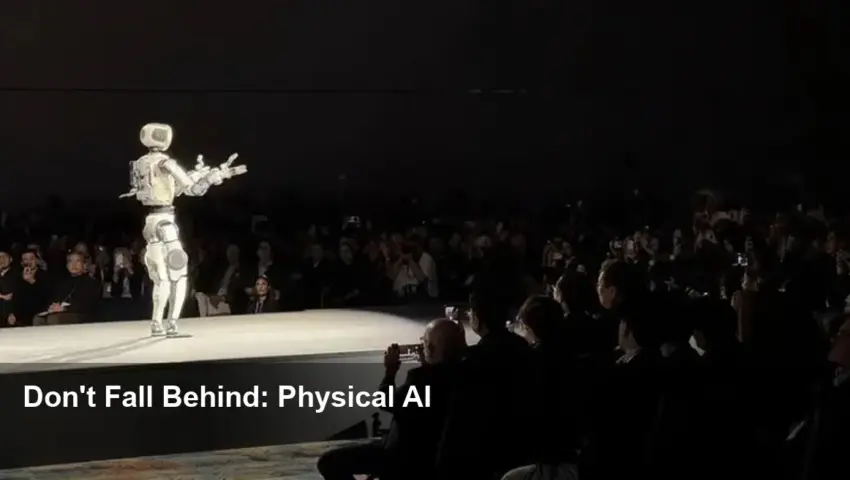
• Manufacturers and other firms are rapidly adopting “physical AI”—robots, sensors and automated software—to fill labor gaps and stay competitive.
• Sensor technologies and connected robots are driving on‑site automation, while companies increasingly apply AI to strengthen cybersecurity.
• The rush to automate raises operational and security risks; leaders must balance speed with safeguards in 2026.
What the physical AI craze means
Physical AI refers to the combination of machine learning and on‑site hardware — robots, edge sensors, autonomous vehicles and the software that controls them. Companies facing tight labor markets and competitive pressure are using these technologies to automate repetitive tasks, expand operating hours and cut costs.
Why adoption is accelerating
Three forces are pushing faster adoption: persistent labor shortages, falling sensor and robotics costs, and the move from pilot projects to full production deployments. Organizations that previously tested automation are now scaling systems to run across multiple sites, turning isolated tools into integrated operational platforms.
Cybersecurity: AI as both tool and target
As more physical systems connect to enterprise networks, cybersecurity becomes a central concern. Companies are responding by using AI to detect anomalies, automate threat responses and monitor device integrity. At the same time, connected robots and sensors expand the attack surface, creating new vulnerabilities that can affect safety and uptime.
Key risks leaders must manage
Speed brings tradeoffs. Rapid rollouts can leave gaps in access controls, patching and incident response. Integration mistakes can create operational fragility — for example, a misconfigured sensor feed could disrupt automation logic. Teams must invest in secure-by-design practices, continuous monitoring and cross‑discipline training that covers both OT (operational technology) and IT concerns.
What to watch in 2026
Expect the following trends to shape the coming year: wider deployment of edge AI (moving inference off the cloud and onto devices), convergence of manufacturing data with enterprise analytics, and increased use of AI for proactive security. Look also for more turnkey automation packages from vendors aiming to reduce implementation complexity and speed time to value.
Why it matters to businesses
Companies that move too slowly risk falling behind competitors who gain efficiency and agility from physical AI. But rushing without security controls invites outages and breaches that can be costlier than delayed automation. The winners will be organizations that combine rapid deployment with disciplined cybersecurity, clear governance and measurable ROI goals.
Bottom line
The physical AI craze is not just a technology trend — it’s a strategic shift in how physical work gets done. In 2026, leaders should treat automation and cybersecurity as inseparable priorities: scale thoughtfully, secure aggressively, and measure impact continually.
Image Referance: https://www.manufacturingdive.com/news/physical-ai-craze-2026-automation-trends-to-watch/810860/