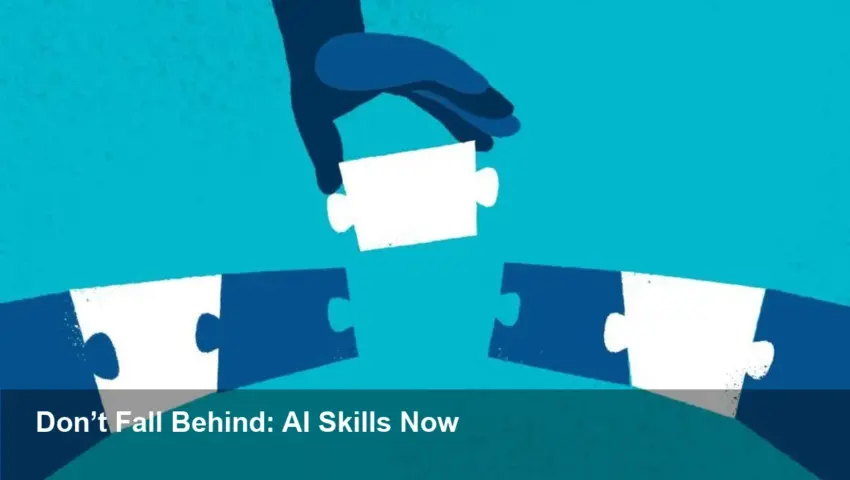
- ERP platforms in 2026 are embedding AI across finance, supply chain and HR — creating new technical and business skills needs.
- Enterprises risk slower decisions, compliance gaps and wasted AI investments if they don’t reskill staff and redesign processes.
- Practical fixes: embed AI tools, train citizen developers, formalize MLOps and governance, and prioritize high‑value use cases.
What changed — and why the gap is growing
Enterprise Resource Planning (ERP) systems are no longer isolated modules for finance, supply chain or HR. In 2026 many ERP platforms embed generative AI, predictive analytics and process automation directly into core workflows. That shift turns routine configuration work into a hybrid of software, data and model‑management tasks — and it exposes a widening skills gap across IT and business teams.
Why this matters now
When AI lives inside the systems people use every day, the consequences of skill shortages are immediate: slower decision cycles, inaccurate forecasts, misapplied models, and potential governance or compliance failures. Organizations that don’t adapt risk losing speed and agility to competitors who already pair AI features with trained users and clear processes.
How organizations are closing the gap
Solutions aren’t limited to hiring data scientists. Practical approaches enterprises are using include:
- Embedding AI tools and assistants directly in ERP interfaces so business users access model outputs without deep ML knowledge.
- Promoting citizen developers through low‑code/no‑code platforms and modular automation to let domain experts build and tune workflows.
- Building cross‑functional teams that pair data engineers, process owners and compliance leads to operationalize models.
- Formalizing MLOps and model governance to shorten deployment cycles and reduce risk.
- Investing in targeted upskilling — data literacy, model interpretation, and AI ethics training for non‑technical staff.
Practical first steps for CIOs and leaders
Leaders can begin by auditing current skills and mapping them to prioritized AI use cases. Start small with high‑impact pilots that embed models into existing ERP workflows, measure outcomes, and document operating procedures. Pair pilots with clear governance: version control for models, explained outputs for business users, and privacy controls for sensitive data.
Risks and governance to watch
Even with training, organizations must monitor bias, data lineage and regulatory requirements. Centralized oversight combined with local accountability — where teams own model performance in their domain — reduces the chance of costly mistakes.
The bottom line
AI is rewriting enterprise software rules. Closing the skills gap is not optional: it determines whether AI investments deliver faster decisions and real value, or become underused cost centers. Firms that act now — by enabling users, formalizing operations, and prioritizing learning — will be the ones that turn embedded AI into a lasting advantage.
Image Referance: https://aijourn.com/closing-the-ai-skills-gap-in-enterprise-systems/