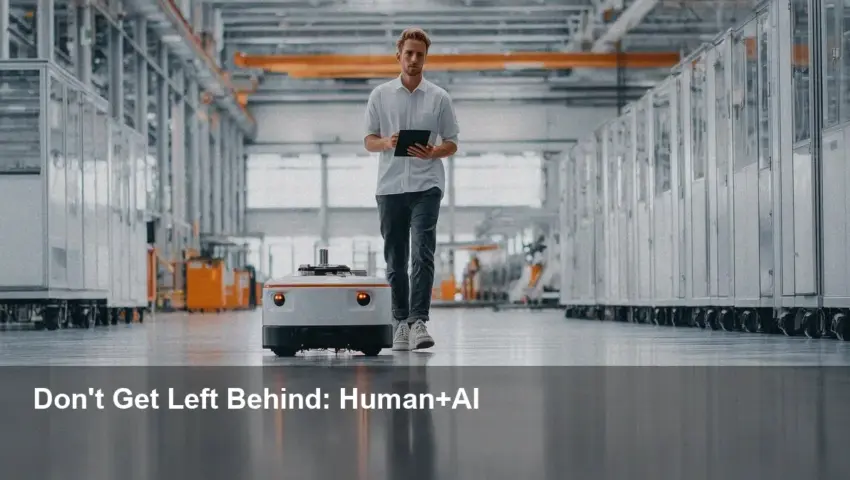
- Human+AI means using automation to extend human judgment, not replace it.
- Organizations must balance speed and scale of automation with oversight, ethics, and upskilling.
- Practical steps: start small, measure outcomes, keep humans in the loop, and invest in data quality and training.
What “Human+AI” really means
Human+AI is a simple but powerful idea: use artificial intelligence to expand human capabilities rather than substitute them. That means designing systems where automation handles repetitive or data‑heavy tasks and humans provide context, judgment and final decisions. The result is faster workflows, sharper insights and fewer avoidable errors—if the balance is right.
Why balance matters now
There is growing pressure to automate for speed and cost savings. But automation without human oversight creates obvious risks: biased outputs, incorrect decisions in edge cases, loss of customer trust, and hidden operational problems. Getting Human+AI wrong can amplify mistakes at scale. Conversely, when teams pair AI with human judgment, they often achieve better outcomes and higher resilience.
Practical steps to make Human+AI work
Leaders and teams can follow a few straightforward principles to capture benefits while reducing risks:
1. Start small and prove value
Begin with narrow, well‑scoped use cases where you can clearly measure gains—customer routing, document classification, or decision support. Track accuracy, speed and user satisfaction before expanding.
2. Keep humans in the loop
Design workflows that route exceptions, nuanced decisions and high‑risk outcomes to humans. Use AI to surface options and evidence rather than to issue final, unreviewed commands.
3. Invest in data and explainability
AI is only as good as the data behind it. Prioritize data quality, monitoring, and tools that surface why the system made a recommendation so humans can audit and trust results.
4. Upskill people and redesign roles
Create training paths so staff can interpret AI outputs and focus on tasks that need creativity, ethics or complex judgment. Reframe roles around supervision and exception management rather than routine execution.
5. Set governance and guardrails
Establish clear policies for risk tolerance, privacy, and compliance. Define who has decision authority and how to escalate or rollback automated actions.
What leaders should watch for
Be wary of over‑automation driven solely by cost targets. Look for early signs of drift, bias or user frustration, and be prepared to pause or retrain models. Measure both efficiency gains and real human outcomes—quality, trust and employee engagement. The firms that succeed will treat AI as a multiplier for human strengths, not a shortcut to replace them.
Human+AI is less a technology project and more a capability shift: it requires thoughtful design, ongoing measurement and a commitment to keep people and judgment at the center.
Image Referance: https://dxc.com/insights/ai/human-plus