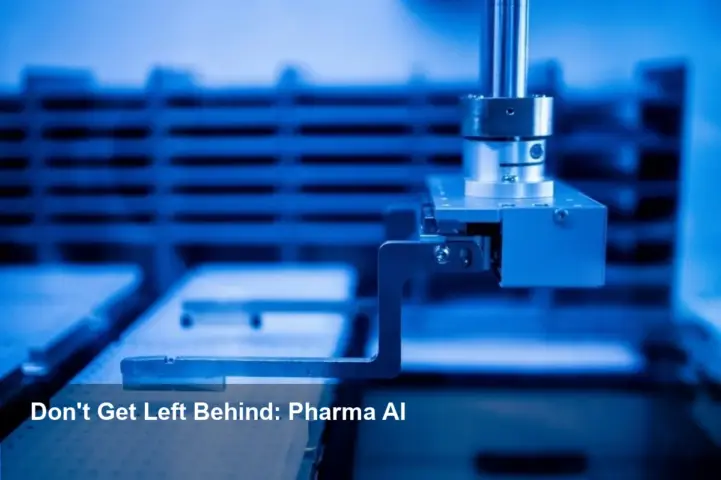
- Automation, digitalization and AI are shortening technical development cycles and improving reproducibility.
- Predictive models and automated workflows reduce manual error and speed scale‑up decisions.
- Companies that delay adoption face regulatory, cost and competitiveness risks.
How automation and AI are changing pharmaceutical technical development
Pharmaceutical technical development — the stage that turns lab discoveries into scalable, manufacturable drug candidates — is being transformed by automation, digitalization and artificial intelligence. Together these technologies replace repetitive manual tasks, centralize experimental data, and surface predictions that were previously hidden in noisy datasets.
Practical gains: speed, reliability, and clearer decisions
Automation of routine lab work (robotic sample handling, automated assays and continuous monitoring) reduces human error and frees scientists to focus on design and interpretation. Digitalization — moving experiment records, instrument outputs and process histories into connected platforms — creates a single source of truth for development decisions.
AI and machine learning add another layer: models can predict stability, formulation success, and scale‑up behavior from existing data. That means faster go/no‑go decisions, fewer repeated experiments, and more confident handoffs to manufacturing. For teams focused on time‑to‑clinic or time‑to‑market, these are tangible advantages.
Risks and challenges — why this is not plug‑and‑play
Adopting these technologies introduces non‑trivial challenges. Poor data quality, fragmented systems, and legacy instruments limit what AI can learn. Validation and regulatory expectations remain high: automated methods and model‑based decisions must be documented, auditable and defensible to regulators.
Workforce change is another risk. Lab roles shift from bench tasks toward data curation, model oversight, and automation maintenance. Organizations that ignore reskilling will struggle to get value from their investments.
Cybersecurity and intellectual property protection must also be part of any rollout plan. Digital systems that centralize sensitive development data increase the attack surface unless they are secured and governed properly.
How to adopt safely and effectively
- Start with clear, measurable pilots: automate a well‑defined assay or workflow and measure time, cost and error improvements.
- Build a data strategy: standardize formats, instrument connections and metadata so models learn from consistent inputs.
- Prioritize explainable models and documentation to meet regulatory scrutiny.
- Invest in people: retrain lab staff for automated workflows, data stewardship and model validation.
Why it matters now
The gap between organizations that adopt automation and AI and those that don’t is widening. For regulated industries like pharma, that gap translates into longer development timelines, higher costs, and reduced ability to respond to competitive or public‑health demands. Companies that move early with disciplined pilots, robust data practices and governance will likely see the fastest, most reliable returns.
In short: automation, digitalization and AI are powerful tools for technical development, but they must be implemented with data quality, validation and people‑focused change management in mind. Done right, they accelerate drug development; done poorly, they create costly risks.
Image Referance: https://www.news-medical.net/whitepaper/20260205/Re-engineering-the-Critical-Path-Automation-Digitalization-and-AI-in-Pharmaceutical-Technical-Development.aspx