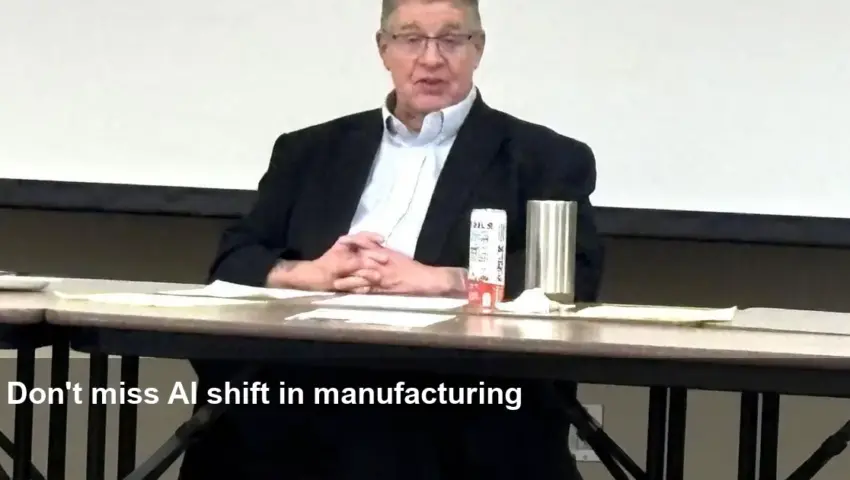
- Local manufacturers face long-standing workforce gaps worsened by child care and housing shortages.
- Companies in Barron County are increasingly adopting AI and automation to raise productivity and reduce labor pressure.
- Automation creates opportunities for higher-skilled roles but raises risks of displacement and a renewed need for reskilling.
- Community planning for childcare, housing and training will determine whether automation helps or leaves gaps wider.
What’s changing in Barron County manufacturing
Manufacturers in Barron County have long struggled with three persistent problems: not enough workers, limited child-care options that make steady shifts difficult for parents, and housing shortages that constrain recruiting. According to recent reporting, those structural issues have pushed a number of local firms to accelerate the adoption of artificial intelligence and automation technologies — shifting how production lines are staffed and run.
Why automation is appealing now
AI tools and automated systems promise to reduce routine labor needs and improve uptime, quality control and throughput. For manufacturers facing tight local labor markets, the business case is straightforward: automation can maintain or increase output with fewer hands on the line, and AI can help prioritize maintenance and spot defects earlier. For many companies, those gains look especially attractive when hiring is uncertain because childcare and housing make it harder to attract and retain workers.
Benefits — and the risks that come with them
Automation can deliver clear benefits: safer work, fewer repetitive tasks, and higher productivity. But it also brings real risks. Job roles will shift — entry-level, manual positions may shrink while demand for technicians, programmers and maintenance specialists will grow. That creates a dual challenge: how to reskill current workers and how to ensure displaced employees aren’t left behind.
There’s also a misconception that technology alone will solve deeper community problems. Child care and affordable housing do more than enable hiring; they affect long-term retention, local spending and community stability. Automation can lessen one pressure but won’t replace the social infrastructure workers need.
What local leaders and businesses should consider
To get the most benefit from automation, Barron County manufacturers, educators and policymakers will need to work together. Practical steps include:
- Investing in targeted reskilling and apprenticeship programs that create pathways into technical roles.
- Partnering with community colleges, technical schools and local employers to align curricula with automation needs.
- Coordinating childcare and housing initiatives so technology adoption doesn’t widen inequality or staffing gaps.
What to watch next
The next phase will show whether automation becomes a strategic advantage that raises wages and productivity — or whether it simply shifts problems, leaving childcare and housing as limiting factors. Watch for announcements about local training programs, employer-led reskilling efforts, and any municipal moves on housing or childcare support. Those signals will indicate whether the AI-and-automation shift creates durable gains for workers and manufacturers alike.
Image Referance: https://www.apg-wi.com/rice_lake_chronotype/news/ai-automation-shift-equation-for-barron-county-manufacturers/article_18275550-e3c1-468d-b3dc-e9b7183137bd.html