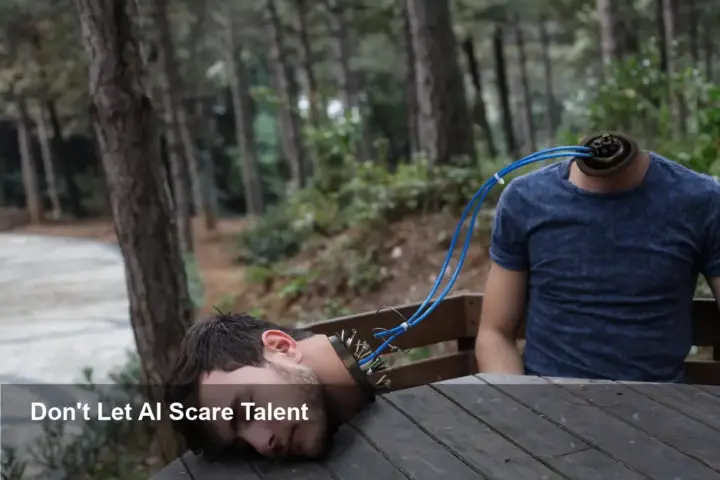
- Campus recruiting has restarted for early 2026; many students are anxious about AI replacing jobs.
- Recruiters must provide concrete proof—task audits, training guarantees, and transparent career paths—to reassure the Class of 2026.
- Simple changes to job ads, interview conversations, and early-career programs can convert skepticism into applications.
Why this matters now
Recruiting for the Class of 2026 means addressing a new, widespread candidate concern: will this job survive automation? With campus recruiting back in high gear, candidates weigh not only pay and culture but also long‑term job resilience. If you ignore their anxiety, you risk losing top students to competitors who explicitly sell “career insurance.”
Five practical steps to prove AI resilience
1. Publish a task-level audit
Break roles into discrete tasks and show which tasks are inherently human (judgment, cross‑functional communication, complex problem solving, client relationships). Share a simple visual or bulleted list in job postings and during campus presentations so candidates can see what can’t be automated.
2. Reframe job ads and interview language
Avoid vague claims like “we use AI.” Instead, say how AI supports employees: “AI assists data prep; people make decisions.” Add lines like “this role emphasizes client strategy and leadership” to highlight human-first responsibilities.
3. Offer concrete upskilling and insurance-like guarantees
Promote tuition or certification stipends, internal mobility tracks, or guaranteed reskilling conversations at set intervals (e.g., 6–12 months). These commitments reduce fear and show you invest in employees’ futures.
4. Showcase early-career proof points
Use real examples: current entry‑level employees who moved into new roles, promotions, or leadership after reskilling. Short testimonials, case studies, or a video clip in campus presentations provide social proof that your company supports long careers.
5. Design roles around collaboration with AI
Describe how employees will use AI tools to boost productivity rather than be replaced by them. Explain decision‑making authority, ethical oversight, and human review points so candidates understand their ongoing value.
How to communicate these changes on campus
- Create a one‑page “Career Resilience” handout for career fairs.
- Train recruiters to answer automation questions directly and with examples.
- Run small campus workshops showing day‑in‑the‑life scenarios where humans lead critical steps.
What success looks like
You’ll know your messaging is working when candidates ask about growth pathways and upskilling budgets instead of saying “Isn’t this role at risk?” Those conversations shift the narrative from fear to opportunity and increase applications from students who want long-term careers, not temporary gigs.
Addressing AI anxiety isn’t PR—it’s strategic hiring. By proving you offer career insurance through clear tasks, training commitments, and real employee stories, you convert skepticism into trust and win the Class of 2026 talent that others will miss.
Image Referance: https://www.collegerecruiter.com/blog/2026/01/31/how-to-convince-skeptical-candidates-that-your-jobs-are-resilient-to-ai-and-other-automation